
For millions of people around the world, the burning, tingling, numbness, and sharp pain of neuropathy are real challenges that affect mobility, sleep, and quality of life. For a long time, these symptoms were treated as inevitable consequences of aging or chronic disease. But researchers are discovering that the story may be far more complex — and more promising.
"Many people believe that neuropathy is simply an unavoidable part of getting older or living with diabetes," reflects a perspective shared by peripheral nervous system researchers. "But growing evidence suggests that nutritional factors, lifestyle habits, and the body's inflammatory environment may play a much larger role than we previously imagined."
This evolving perspective has opened new conversations about how we think about peripheral nerve health — and why some people find it so difficult to relieve the pain, tingling, and numbness associated with neuropathy.
Americans affected by
peripheral neuropathy
Of diabetes patients
develop neuropathy symptoms
Of neuropathy cases
may have nutritional contributors
Estimates based on data from the National Institute of Neurological Disorders and peer-reviewed scientific publications. Individual experiences vary widely.
What Researchers Are Discovering About Neuropathy
Peripheral neuropathy is not a single disease — it involves a vast network of peripheral nerves that extend from the spinal cord to the hands, feet, and organs, requiring constant nutrition, circulation, and protection. When any part of this system is compromised, the effects can range from mild tingling and numbness to chronic burning pain and complete loss of sensation.
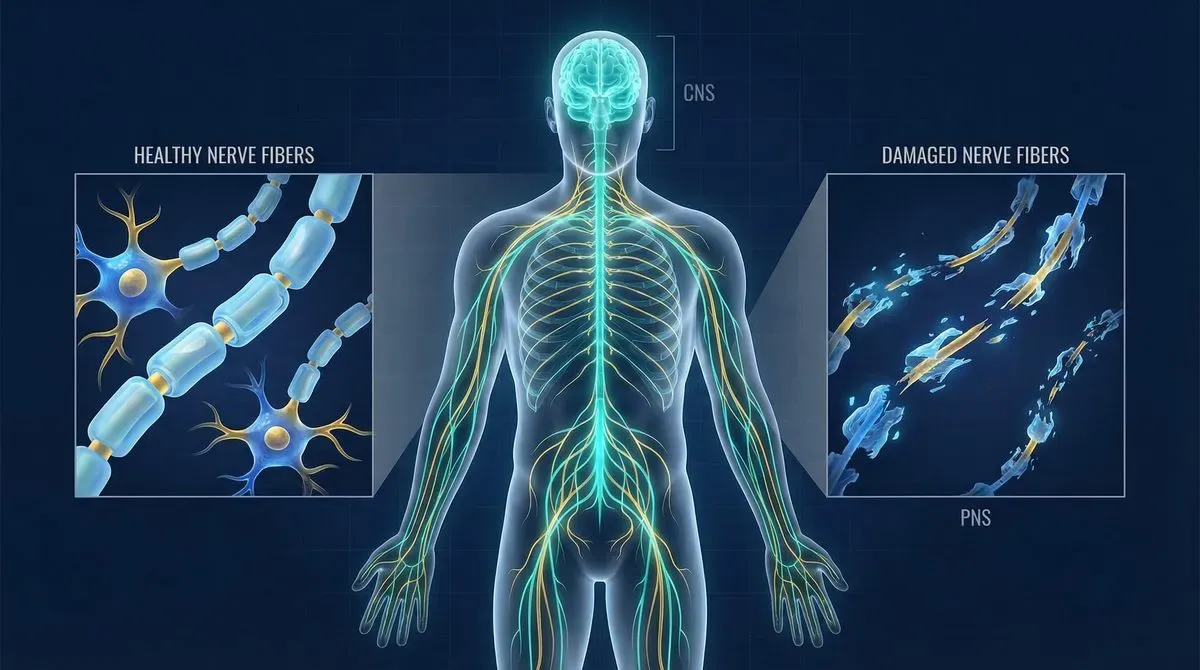
Illustration: Peripheral nerve fibers — healthy myelin sheath versus fibers damaged by oxidative stress and nutritional deficiency
While aging remains the most commonly recognized factor, researchers have increasingly turned their attention to other contributors. Nutritional deficiencies — particularly in B vitamins — have emerged as an area of significant interest. Vitamin B12, B6, and Alpha-Lipoic Acid all play essential roles in maintaining the myelin sheath that protects peripheral nerve fibers and in supporting healthy nerve signal transmission.
Beyond vitamins, some studies have examined the potential roles of chronic inflammation, oxidative stress, and certain common dietary habits in the progression of neuropathy symptoms. This has led to a broader conversation about whether a more holistic approach to nerve health might complement conventional care.
Common Habits That May Worsen Neuropathy
If nutritional and inflammatory factors play a role in nerve health, then certain everyday habits could potentially worsen neuropathy symptoms. Some researchers have identified common behaviors that may be worth examining — though it's important to note that individual responses vary greatly and more research is needed.
Prolonged Sitting and Sedentary Behavior
Extended periods of sitting can reduce circulation to the extremities, compressing peripheral nerves and limiting the delivery of oxygen and essential nutrients. Some studies suggest that regular movement and gentle exercise may support healthy nerve circulation and reduce neuropathy symptoms.
Excessive Sugar and Refined Carbohydrate Consumption
Consistently elevated blood sugar levels are one of the most studied contributors to peripheral nerve damage. Researchers have documented how frequent glycemic spikes can damage small blood vessels that supply nerves, accelerating neuropathy progression — even in people who are not yet diabetic.
Chronic Stress and Poor Sleep
Ongoing stress and insufficient sleep are associated with increased inflammation throughout the body. During sleep, the body performs essential nerve repair and regeneration processes — depriving it of this has direct consequences on neuropathy symptom severity.
Alcohol Consumption
Chronic alcohol use is a well-documented cause of peripheral neuropathy. Alcohol is directly toxic to nerve tissue and depletes B vitamins essential for nerve health. Even moderate regular consumption has been associated with increased tingling and numbness in the extremities in some individuals.
Foods That Researchers Have Studied in Relation to Nerve Health
The connection between diet and peripheral nerve function has become an increasingly active area of research. Certain nutrients have been studied for their potential roles in supporting nerve health, while some common foods have been examined for their possible negative effects. Here are three categories that have drawn particular scientific interest.

Foods rich in nutrients that have been the subject of scientific interest in the context of nerve health and neuropathy
Food Category #1
Fatty Fish and Omega-3 Rich Foods
Salmon, sardines, and mackerel are rich in omega-3 fatty acids, which have been studied for their anti-inflammatory and neuroprotective properties. Some research suggests that omega-3s may help support myelin sheath integrity and promote healthy inflammatory responses, potentially easing neuropathy symptoms.
Food Category #2
Dark Leafy Greens and B-Vitamin Rich Foods
Spinach, kale, and other dark leafy greens are excellent sources of folate and other B vitamins that play critical roles in nerve function. B vitamins are essential for maintaining the myelin sheath and for regenerating damaged nerve fibers. Researchers have noted that adequate B12 intake may be one of the most important nutritional factors for supporting peripheral nerve health.
Food Category #3
Berries and Antioxidant-Rich Foods
Blueberries, strawberries, and other deeply colored fruits are rich in antioxidants that may help protect peripheral nerve cells from oxidative stress. Some studies have explored whether these antioxidant compounds could play a role in reducing neuropathic pain by helping to neutralize free radicals that may contribute to nerve damage over time.
Food Category #4
Himalayan Pink Salt
Unlike refined table salt, Himalayan pink salt contains over 80 trace minerals — including magnesium, potassium, calcium, and iron — that play recognized roles in nerve function and electrical signaling. Magnesium, in particular, has been studied for its potential to support healthy nerve conduction and reduce the perception of neuropathic pain. Some researchers suggest that replacing processed sodium sources with mineral-rich salts may help support the electrolyte balance that peripheral nerves depend on to transmit signals properly. While individual responses vary, the broader mineral profile of pink salt represents a potentially more nerve-supportive alternative to heavily processed table salt.
Conversely, some researchers have examined whether certain common dietary patterns — including diets high in processed foods, refined sugars, and trans fats — may potentially contribute to inflammation and oxidative stress that could worsen neuropathy symptoms. Many health professionals suggest that a balanced, nutrient-rich diet is a reasonable foundation for overall nerve well-being.
Popular Drinks That Researchers Have Linked to Neuropathy
Most conversations about neuropathy focus on what you eat — but what you drink may be equally important. Emerging research has highlighted several widely consumed beverages that may contribute to peripheral nerve damage, worsen existing neuropathy symptoms, or deplete nutrients essential for nerve health.
Drink #1
Alcoholic Beverages
Alcohol is one of the most well-documented dietary contributors to peripheral neuropathy. Known as alcoholic neuropathy, this condition develops when chronic alcohol consumption directly damages peripheral nerve fibers. Alcohol also interferes with the absorption of B vitamins — particularly B1 (thiamine) and B12 — which are essential for myelin sheath maintenance. Even moderate but regular drinking has been associated with tingling, numbness, and burning sensations in the feet and hands.
Drink #2
Sugary Sodas and Energy Drinks
High-sugar beverages cause rapid spikes in blood glucose, which over time can damage the small blood vessels that supply nutrients to peripheral nerves. Research has found that people who regularly consume sugar-sweetened drinks have higher rates of neuropathy-related symptoms. Energy drinks compound this issue with added stimulants that can constrict blood vessels, further reducing circulation to the extremities.
Drink #3
Diet Sodas and Artificially Sweetened Drinks
Some researchers have examined whether certain artificial sweeteners may have neurotoxic effects on peripheral nerve tissue. Studies suggest that excessive consumption of aspartame-containing beverages may be associated with increased nerve sensitivity and heightened perception of neuropathic pain in some individuals, though more research is needed in this area.
Drink #4
Excessive Coffee and Caffeinated Beverages
While moderate coffee consumption is generally considered safe, excessive caffeine intake can promote dehydration, disrupt sleep, and increase cortisol levels — all of which may worsen neuropathy symptoms. Poor sleep quality, in particular, reduces the body's ability to repair damaged nerve fibers overnight, potentially slowing recovery from neuropathic conditions.
The Nutritional Connection: What Research Suggests About Nutrients and Nerve Health
Among the most frequently discussed nutritional factors in peripheral nerve health research are B vitamins. Vitamin B12, in particular, has been extensively studied for its role in nerve function. This essential nutrient helps maintain the myelin sheath and supports healthy nerve signal transmission through the peripheral nervous system.
Some studies have observed that individuals with low B12 levels are significantly more likely to experience peripheral neuropathy symptoms. Other nutrients that have drawn research interest include Alpha-Lipoic Acid (ALA), a powerful antioxidant studied for its potential role in reducing nerve pain and supporting healthy nerve regeneration, and Acetyl-L-Carnitine, a compound that some researchers have examined for its potential to support nerve fiber repair and reduce neuropathic discomfort.
Simple Approaches That Some People Have Explored to Support Nerve Health
Beyond dietary changes, some individuals have reported exploring various lifestyle modifications as part of their overall approach to managing neuropathy symptoms. While individual experiences vary and these approaches should not replace professional medical advice, they represent areas of ongoing interest.
Nerve Health Focus Areas Being Explored
Regular, Gentle Movement
Low-impact activities like walking, swimming, and yoga have been studied for their potential to improve circulation to the extremities and support peripheral nerve health. Some researchers suggest that regular gentle exercise may stimulate nerve growth factors and help reduce neuropathic pain over time.
Nutritional Supplementation
Some individuals have explored dietary supplements containing B vitamins, Alpha-Lipoic Acid, Omega-3, and other nutrients as part of their neuropathy wellness routine. As with any supplement, consulting a healthcare professional is advisable.
Stress Management Techniques
Practices such as meditation, deep breathing, and mindfulness have been studied for their potential effects on the body's inflammatory response and on reducing the perception of neuropathic pain during rest and sleep.
Blood Sugar Management
Maintaining stable blood sugar levels is widely recognized as one of the most important factors for preventing further nerve damage. Regular monitoring, dietary adjustments, and physician-guided management are considered essential for those with diabetes-related neuropathy.
Exploring Nutritional Approaches to Nerve Well-Being
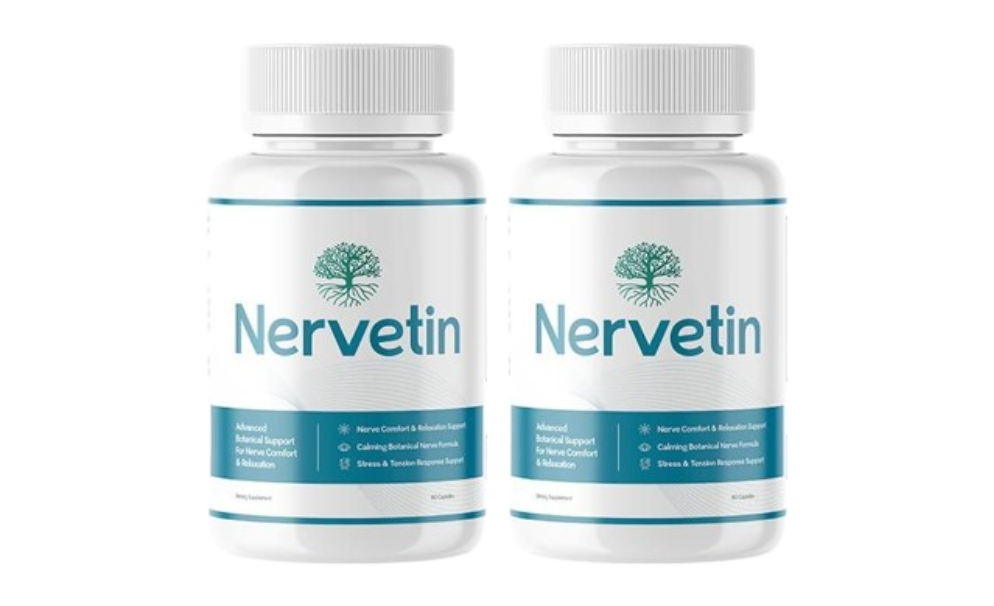
As interest in the relationship between nutrition and nerve health grows, some people have turned to dietary supplements as part of their overall wellness routine. One such product is Nevertin, a dietary supplement formulated with ingredients that have been the subject of scientific interest for their potential roles in supporting peripheral nerve health and reducing neuropathy symptoms.

Natural ingredients that have been the subject of research interest in the context of nerve well-being and neuropathy
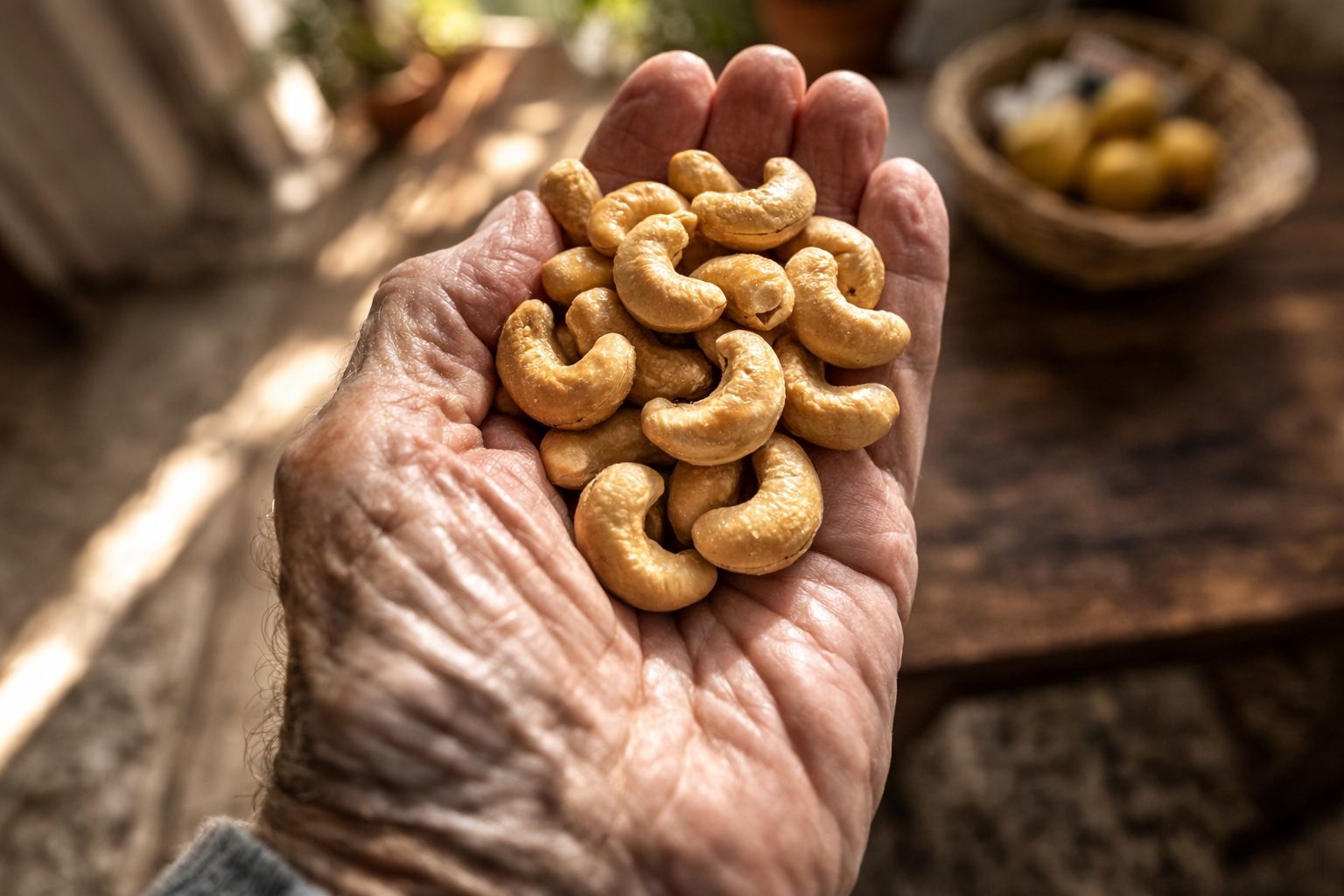

Nevertin's formulation includes ingredients that have been studied in various contexts for their potential roles in supporting peripheral nerve health. These include compounds traditionally used in herbal wellness practices and nutrients that play recognized roles in nerve function and myelin maintenance.
Nutritional Focus Areas in Nevertin's Formulation
B-Vitamin Complex Support
A combination of B1, B6, and B12 — vitamins that play essential roles in maintaining healthy myelin sheaths, supporting nerve signal transmission, and promoting peripheral nerve regeneration.
Ginkgo Biloba and Botanical Extracts
Traditional ingredients selected for their historical use in supporting peripheral circulation, reducing nerve inflammation, and alleviating tingling and numbness in the extremities.
Alpha-Lipoic Acid (ALA)
A potent antioxidant studied for its potential role in reducing oxidative stress in peripheral nerves, supporting nerve conduction velocity, and easing neuropathic pain symptoms.
Neuroprotective Antioxidants
Compounds studied for their potential to support peripheral nerve cell health by helping to neutralize free radicals that may contribute to nerve damage and neuropathy symptoms over time.
Walnut Extract
Rich in essential omega-3 fatty acids and antioxidants, studied for their potential to support nerve cell membrane integrity, reduce neuropathic inflammation, and promote overall nerve wellness.
Ginger Root
A powerful botanical known for its potent anti-inflammatory and antioxidant properties, traditionally utilized to help protect peripheral nerves against oxidative stress and support circulation to the extremities.
Secure Your Nervetin™ Supply Today
Choose your package below and enjoy a full 60-Day Money Back Guarantee.
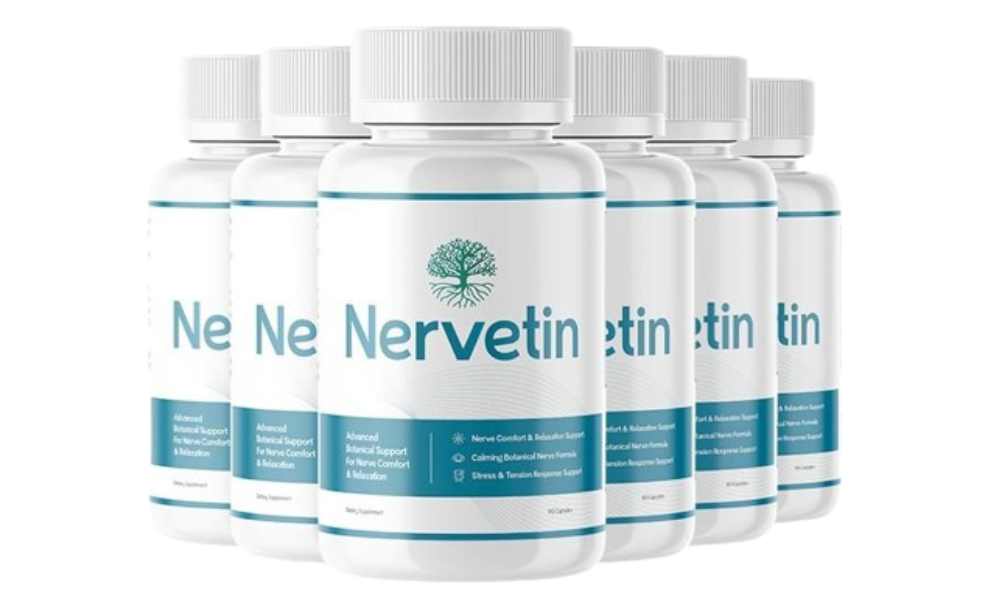
6 Bottles
180 Day Supply
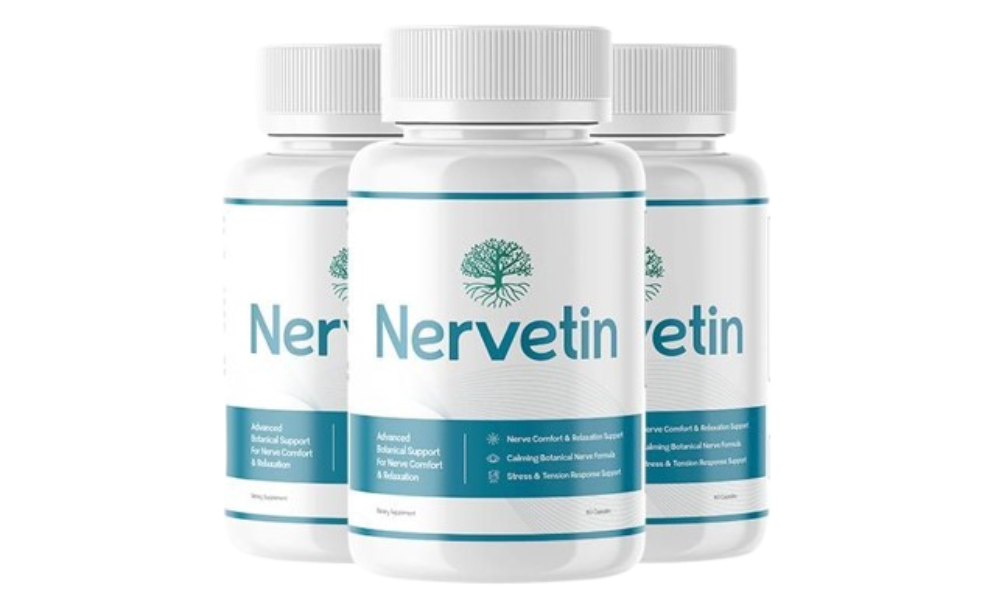
3 Bottles
90 Day Supply
2 Bottles
60 Day Supply
🔒 60-Day Money-Back Guarantee — If you're not completely satisfied, contact us within 60 days for a full refund. No questions asked.
A Balanced Approach to Nerve Wellness

Taking care of peripheral nerve health is an ongoing process. While research into neuropathy continues to evolve, many healthcare professionals emphasize the value of a comprehensive approach to wellness — one that considers overall health, blood sugar management, nutrition, and lifestyle alongside any medical treatment.
For those interested in learning more about nutritional approaches to nerve wellness, products like Nevertin represent one option to explore. As with any supplement, it's advisable to consult with a healthcare professional before adding it to your routine, especially if you are currently under medical care or taking medications.
For those interested in exploring Nervetin™ as part of their nerve wellness routine, the product is currently available with a 60-day money-back guarantee and free shipping on multi-bottle orders. Select your package below to see current pricing and availability.
Get Nervetin™ Today
Explore the ingredients and the thinking behind Nervetin™'s approach to supporting peripheral nerve health and reducing neuropathy symptoms.
Get Nervetin™ — Check Discount PackagesIndividual results may vary. Nervetin™ is a dietary supplement, not a medication. This is paid content.
Ready to Start Your Nerve Health Journey?
Join thousands who have already experienced the Nervetin™ difference. 60-day guarantee on every order.
6 Bottles
180 Day Supply
3 Bottles
90 Day Supply
2 Bottles
60 Day Supply
🔒 60-Day Money-Back Guarantee — If you're not completely satisfied, contact us within 60 days for a full refund. No questions asked.